Delicious Cheese Dishes to Try at Home

Cheese can turn a quiet dinner into something people linger over. It melts into pasta, crisps at the edges of a tray bake, softens into sauces, and brings sharp, salty balance to vegetables that might otherwise feel plain.
The best part is that many cheese dishes do not need restaurant skills. A good block of mature cheddar, a soft ball of mozzarella, a tub of ricotta, or a salty slab of halloumi can carry a meal with very little fuss. These Delicious Cheese Dishes to Try at Home are cosy, practical, and easy to adapt to what is already in the fridge.

Start with a proper cheese sauce
A smooth cheese sauce is the base for many comfort dishes, from macaroni cheese to cauliflower cheese. Once this feels easy, a whole set of dinners opens up.
Start with a simple roux. Melt butter in a pan, stir in plain flour, then cook it for a minute so the sauce does not taste floury. Slowly whisk in milk until the mixture turns smooth and glossy. Take the pan off the heat before adding cheese. This helps stop the sauce from splitting or becoming grainy.
Good cheeses for sauce include:
Mature cheddar
Strong, reliable, and easy to find in Irish supermarkets.
Gruyère
Nutty and smooth, ideal for gratins and baked pasta.
Red Leicester
Mild, creamy, and great for colour.
Parmesan
Best used in small amounts for savoury depth.
For a quick dinner, stir cooked macaroni into the sauce, spoon it into a baking dish, and top with breadcrumbs mixed with grated cheese. Bake at 190°C until golden and bubbling. Add crisp bacon, fried mushrooms, spinach, or peas if you want to bulk it out.
Cauliflower cheese works the same way. Steam or boil the cauliflower until just tender, cover with sauce, and bake until the top browns. Serve it with roast chicken, sausages, or as a main with a green salad and crusty bread.
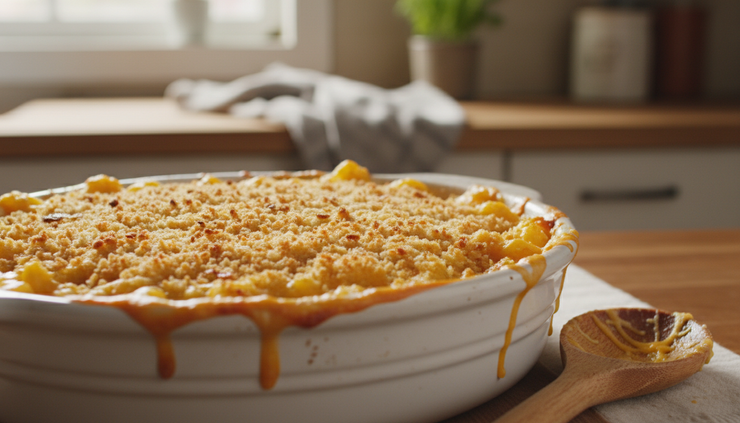
Make cheese the star of a simple bake
Some of the easiest cheese dishes are built in one dish and left to the oven. They work especially well on cooler evenings when you want dinner to feel generous without standing over the hob.
A potato and cheese bake is a good place to start. Thinly slice floury potatoes, layer them with garlic, black pepper, cream or milk, and a firm melting cheese. Cheddar, Gruyère, and Comté all work well. Bake until the potatoes are soft and the top is browned. Let it sit for 10 minutes before serving, as this helps the layers settle.
For something lighter, try a tomato, mozzarella, and pesto bake. Layer sliced tomatoes with torn mozzarella, spoon over a little pesto, and bake until the cheese melts and the tomatoes slump. Serve it with toasted sourdough or spoon it over cooked grains.
Baked feta is another low-effort option. Place a block of feta in a small dish with cherry tomatoes, olive oil, chilli flakes, and oregano. Bake until soft, then crush everything together and stir through pasta. Feta does not melt like cheddar, but it becomes creamy and salty, which makes it ideal for quick sauces.
The trick with baked cheese dishes is patience. Give them enough oven time to brown, then give them a few minutes to rest before serving.
Use salty cheeses for fast dinners
Not every cheese dish needs to be creamy. Some cheeses hold their shape when cooked, which makes them perfect for quick frying, grilling, or roasting.
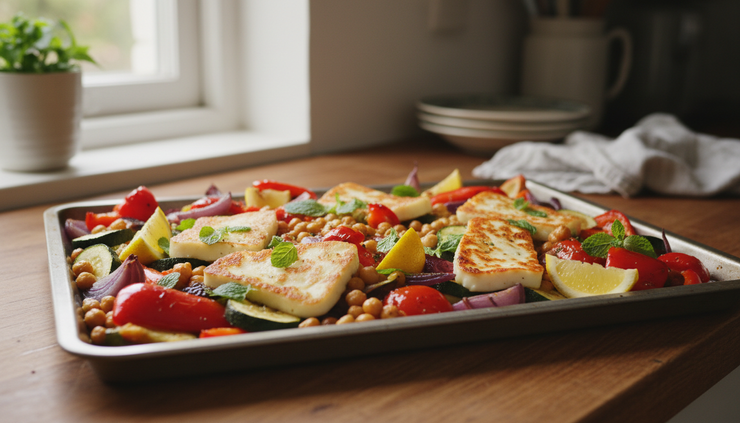
Halloumi is the classic example. Slice it thickly, pat it dry, and fry it in a hot pan until golden on both sides. It pairs well with lemon, mint, roasted peppers, courgettes, couscous, and flatbreads. A halloumi tray bake with red onion, peppers, chickpeas, and cherry tomatoes makes a colourful midweek meal.
Paneer is another useful option. It is mild, firm, and excellent in spiced dishes. Cube it and fry until lightly golden, then add it to a tomato-based curry sauce with spinach or peas. It soaks up flavour without falling apart.
Goat’s cheese brings tang and softness. Crumble it over roasted beetroot, bake it on a tart with caramelised onions, or grill it on toast with honey and walnuts. A small amount goes a long way, so it is handy when you want big flavour without making a heavy dish.
Build better cheese toasties and tarts
A cheese toastie sounds basic, but a few small choices make it much better. Use bread with enough structure to crisp up, such as sourdough, batch loaf, or a good white bloomer. Grate the cheese rather than slicing it so it melts evenly. Butter the outside of the bread, then cook it slowly in a pan until deep golden.
Good toastie combinations include:
Mature cheddar with tomato relish
Mozzarella with pesto and roasted peppers
Brie with cranberry sauce
Blue cheese with pear and walnuts
Cheddar with spring onion and a little mustard
For a more dinner-worthy version, make a cheese tart. Use ready-rolled puff pastry, score a border around the edge, and spread the centre with ricotta, goat’s cheese, or cream cheese. Add toppings such as leeks, mushrooms, tomatoes, asparagus, or caramelised onions. Bake until the pastry is puffed and golden.
This is a useful dish when you have odds and ends to use up. A bit of leftover cheese, a handful of vegetables, and a sheet of pastry can become a meal with soup or salad.

Choose the right cheese for the job
Cheese dishes improve when the cheese suits the method. A strong cheddar melts well and brings flavour, so it is ideal for sauces, toasties, and bakes. Mozzarella gives stretch but less sharpness, so it often needs salt, herbs, or a stronger cheese beside it. Parmesan and pecorino are best grated finely and used to finish dishes.
For the best texture, avoid overheating cheese once it has melted. High heat can make sauces oily or rubbery. Add cheese near the end, stir gently, and let the residual heat do some of the work.
It also helps to mix cheeses. A balanced macaroni cheese might use cheddar for flavour, mozzarella for stretch, and Parmesan for a savoury top. A toastie might use cheddar with a little brie for extra creaminess.
Cheese dishes are at their best when they feel relaxed. Start with one reliable recipe, then change the cheese, add vegetables, or swap the topping. Keep a block of cheddar, a hard grating cheese, and one soft or salty cheese in the fridge, and dinner is never far away.


Comments